

Elevating R&D from Concept to Clarity
Strategic R&D Advisory · Cambridge, MA
Leva is an independent technical strategy practice for microfluidics-based platforms. I help founders, research teams, and investors decide what to build, what to back, and how to get from prototype to product.
From Roadmap to Reality

R&D strategy that survives capital constraints
R&D plans often assume the next round closes on time. The plans that hold up are sequenced backward from the capital actually raised. I help technical leaders make those calls early, before they get expensive.
Technical assessment from the builder's side
Assessing a microfluidic platform comes down to whether it holds up at scale, in molded parts, and with real samples. I bring fifteen years of building these platforms to that assessment, for investors deciding whether to back one and for teams deciding what to prioritize.
Planning for manufacture from the first prototype
The step from a working lab prototype to a molded chip that can be made at volume sets cost, yield, and timeline for years. I have made that step twice, and I help teams plan for it while the design is still easy to change.
Areas of Focus
- R&D Strategy & Sequencing: Mapping the technical work to the capital, partners, and timeline available. Most of the value is in deciding what not to do next.
- Technical Due Diligence: Independent assessment of microfluidics-based platforms for venture capital, M&A, and strategic partnerships.
- Platform De-risking: Designing the experiments that decide the next platform call, with technical and commercial readiness advancing together.
- Manufacturing & Tech Transfer: Design-for-manufacture decisions and the choice of manufacturing partner, made early enough to shape cost and yield.
- Investor & Board Communication: Helping technical leaders explain a complex platform to non-technical readers. Where the work is, what's been retired, what comes next.

Leva is a selective practice. I take on engagements where depth matters more than breadth, for clients who want a partner who has done the building.
About Me
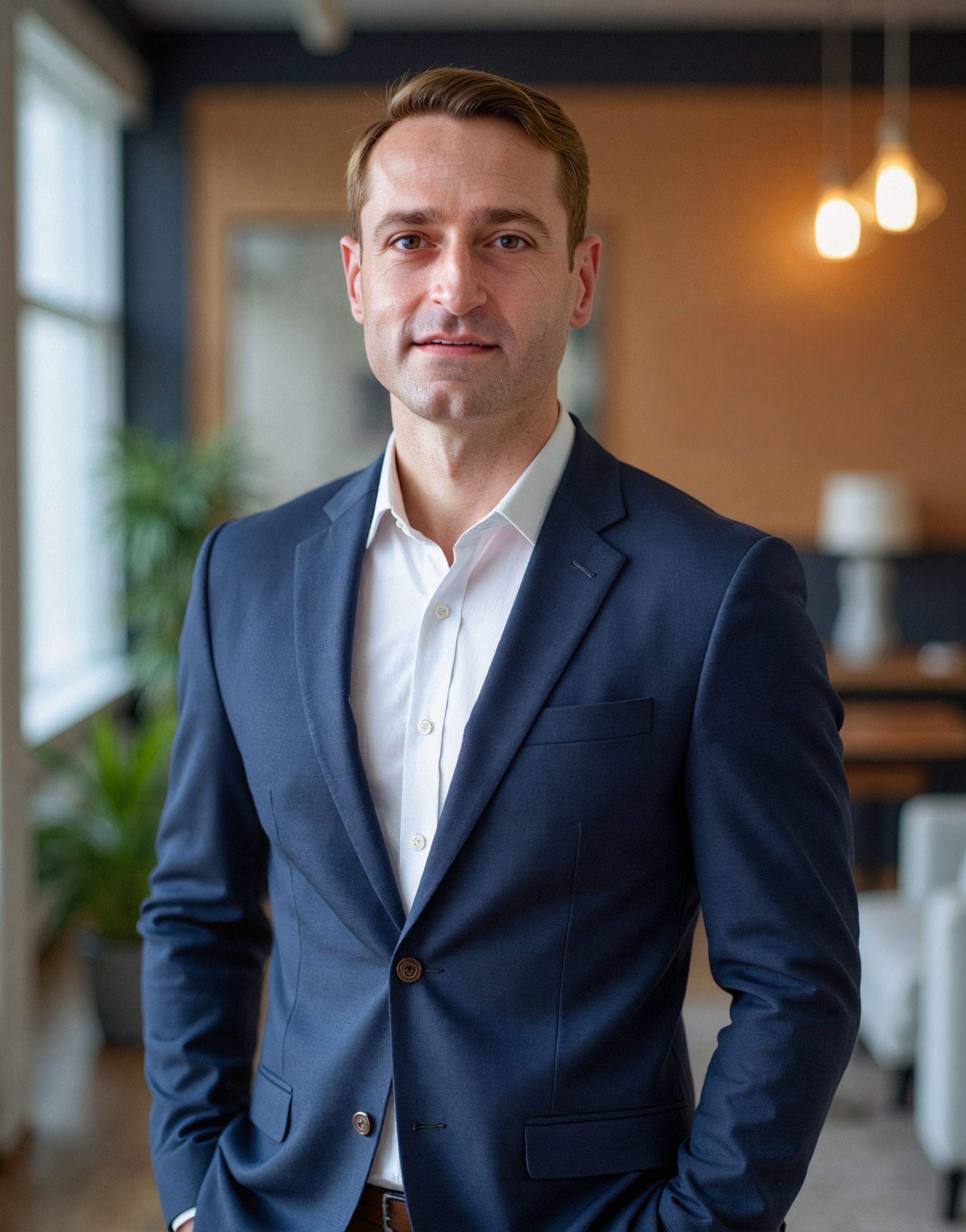
Kyle C. Smith, PhD
I've spent my career building deep-tech ventures from founding concept to commercial launch. Twice I've taken novel microfluidic platforms from lab bench to manufactured product, building the R&D organization, helping raise the capital, structuring the partnerships, and navigating the pivots that turn working science into working companies. My advisory work draws directly on that experience.
The technical foundation is microfluidics, developed at MGH after a PhD at MIT in biomedical and electrical engineering. Whether the engagement is technical due diligence, R&D strategy, or platform de-risking, the perspective is the same: someone who's done the building and brings that experience to the call.
Track Record
The companies and research that shape how I work.
Secured $38M in Funding & Launched First Commercial Product
As the first employee and founding team member at MicroMedicine, I built the R&D organization from scratch, led the development of the Sorterra cell processing platform, and directed the execution that secured $38M in milestone-based funding, from spin-out to commercial launch.
Engineered a Capital-Efficient Business Pivot
As Co-Founder and CTO of BendBio, I architected a strategic pivot from a capital-intensive instrument model to a high-margin consumables model, securing first revenues and preserving 100% founder equity in the process.
Lead Inventor in a $35M Partnership with J&J
At Massachusetts General Hospital, I was a lead inventor and contributor in a $35M partnership with Johnson & Johnson, developing the CTC-iChip to isolate circulating tumor cells from blood. My microfluidic cell-sorting IP from that period launched several spinout companies.
Approach
Every deep-tech venture reaches a moment where the technology is real, the team is capable, and the path forward is still unclear. The decision that follows usually shapes the next eighteen months more than the technology itself: what to fund next, who to partner with, what to stop. The work I find most consequential is helping leadership think that decision through with technical depth and building experience in the same conversation.
Engagements run on the rhythm of those decisions, not on hours billed. The work happens in close partnership with leadership, usually a founder or CTO carrying both the technology and the business at once, and the value grows when the questions are real and the time horizon is long enough for judgment to land. I keep the practice small for that reason: the engagements worth taking on are the ones that ask for attention that doesn't scale.